The Digital Thread: How Everyday Interactions Influence Our Online Identities
The concept of the Digital Thread highlights how our everyday interactions shape and influence our online identities. From social media posts to online shopping habits, each digital interaction we engage in adds another layer to our personal digital narrative. It’s important to recognize that every click, like, and share contributes to a complex web of data that is not only stored but analyzed by platforms. This continuous aggregation of information creates a profile of who we are, what we believe in, and how we interact with the world. Over time, these accumulated experiences articulate a story about us that can significantly influence how we are perceived online.
Moreover, the impact of our daily choices extends beyond personal narrative; it can shape professional opportunities and social perceptions. For instance, a well-curated LinkedIn profile that reflects our skills, achievements, and engagements can open doors to new career prospects. Conversely, negative interactions such as public disputes or poorly thought-out comments can tarnish an online reputation. Thus, understanding the Digital Thread phenomenon is crucial for anyone seeking to build a robust and positive online identity. We must be mindful of our digital footprints and cultivate an online presence that accurately represents who we want to be in both personal and professional realms.
Counter-Strike is a highly competitive first-person shooter game that has captivated players worldwide since its release. It emphasizes teamwork and strategy, making every match a thrilling experience. For those looking to enhance their gaming setup, check out the Top 10 mac accessories for creators that can help elevate gameplay and streaming quality.
From Social Media to Smart Devices: The Connectivity That Shapes Our Daily Lives
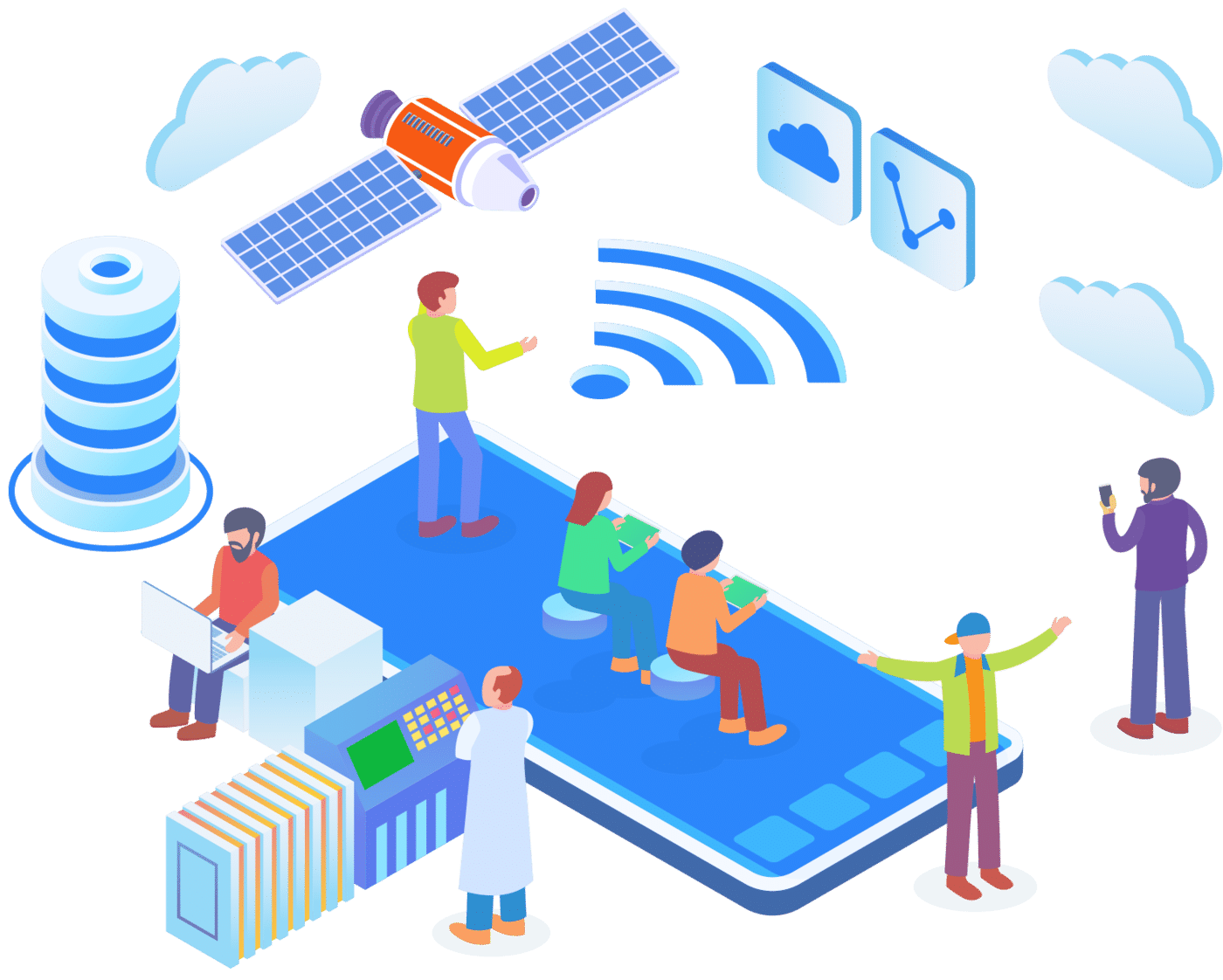
In today's hyper-connected world, the evolution of technology has transformed our daily lives in ways we could have never imagined. From social media platforms that keep us updated with friends and global events to smart devices that manage our homes, connectivity is at the core of our reality. The ability to share, communicate, and access information instantly has redefined human interaction and information dissemination. As we navigate through various channels—be it via a smartphone, tablet, or computer—we are increasingly relying on these technologies to enhance our productivity and maintain our social connections.
Moreover, smart devices have further deepened this interconnectedness, embodying the Internet of Things (IoT) that enables devices to communicate with one another. For instance, smart thermostats learn our heating preferences and adjust energy usage accordingly, while wearable health-tech devices monitor our vitals and send alerts directly to our smartphones. This seamless integration not only optimizes our daily routines but also enhances our quality of life. As we embrace the connectivity that shapes our existence, it’s essential to recognize both its benefits and potential challenges, particularly concerning privacy and data security.
Is Digital Connectivity Enhancing or Harming Our Real-World Relationships?
The rapid growth of technology has significantly transformed the way we connect with others, sparking debate on whether digital connectivity is enhancing or harming our real-world relationships. On one hand, social media platforms allow us to maintain connections across vast distances, making it easier to share experiences and support one another. For example, we can keep in touch with family or friends who live abroad through video calls and instant messaging, fostering a sense of closeness despite physical separation. This constant connectivity can enrich our lives by providing a network of support, especially in challenging times.
On the other hand, the pervasive nature of digital connectivity may lead to superficial interactions that replace meaningful, face-to-face conversations. According to recent studies, excessive reliance on digital communication can contribute to feelings of loneliness and reduce our ability to engage in genuine connections. As we prioritize our online presence, we may inadvertently neglect the importance of in-person interactions, leading to strains in our real-world relationships. It is crucial to strike a balance, leveraging the benefits of technology while prioritizing authentic, personal connections to maintain emotional well-being.