Top 5 Myths About Device Charging You Need to Stop Believing
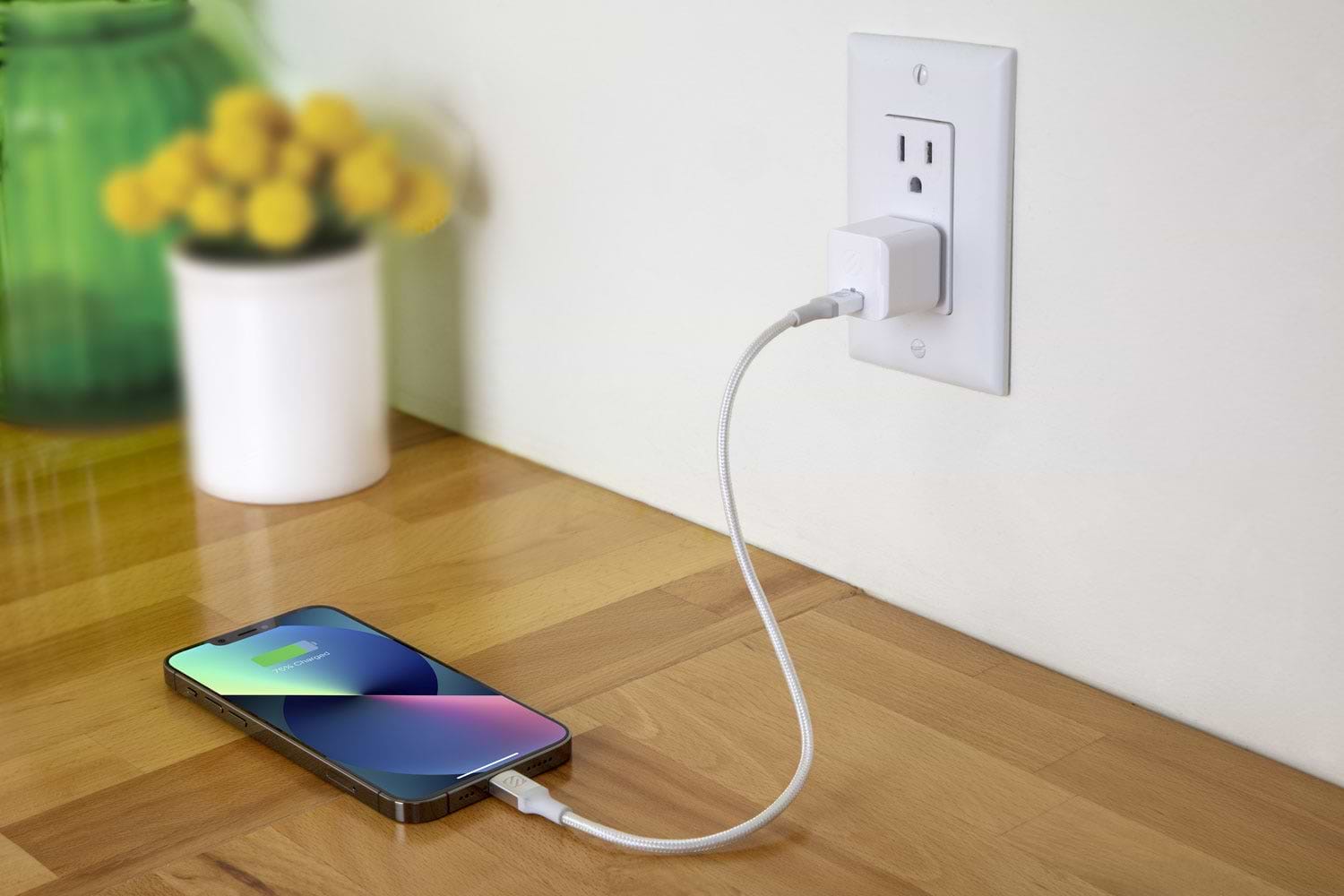
In today's tech-savvy world, there are several myths about device charging that can lead to confusion and even damage your devices. For instance, one common misconception is that you should always let your battery drain completely before charging it again. This is known as the myth of full discharges. In reality, modern lithium-ion batteries benefit from a partial charge and can be topped up whenever convenient. Doing so can prolong the overall lifespan of your battery and enhance its performance.
Another prevalent myth is that using your device while it is charging will significantly harm the battery. While it is true that excessive heat can affect battery health, the act of using your device during charging is generally safe. Most devices are designed to manage power effectively, so you can enjoy that movie or engage in a video call without worrying. Let's debunk these device charging myths and promote better charging practices!
Counter-Strike is a popular tactical first-person shooter game that pits terrorists against counter-terrorists in various objective-based game modes. Players can choose from a variety of weapons and strategies to complete missions, such as defusing bombs or rescuing hostages. If you're a student looking to enhance your gaming experience, check out the Top 10 iPhone accessories for students for great additions to your setup.
How Temperature Affects Your Device's Battery Life: What the Science Says
Temperature plays a crucial role in determining the performance and lifespan of your device's battery. According to research, lithium-ion batteries, which are commonly used in smartphones and laptops, operate best at a temperature range of 20°C to 25°C (68°F to 77°F). Outside of this range, battery performance can significantly degrade. For instance, exposing your device to high temperatures can lead to increased internal resistance and faster chemical reactions, which can shorten its lifespan. Conversely, extremely cold conditions can cause reduced capacity and longer charging times, making it essential to maintain an optimal environment for your devices.
Moreover, prolonged exposure to extreme temperatures can lead to catastrophic battery failure. As noted by experts, overheating can result in swelling, leakage, and even more severe outcomes like fires or explosions. On the other hand, localized cold temperatures can lead to temporary shutdowns as the battery struggles to deliver the necessary power. To ensure longevity, users should be proactive in keeping their devices within the ideal temperature zone. Simple practices, such as removing cases during charging or avoiding direct sunlight, can make a substantial difference in your device's battery health.
Is Overnight Charging Bad for Your Phone? Debunking Common Battery Misconceptions
Battery technology has evolved significantly over the past few years, leading to a myriad of misconceptions surrounding smartphone charging habits. One of the most common myths is that overnight charging can damage your phone's battery. While older devices with nickel-based batteries were more prone to memory effect and overheating issues, modern smartphones are equipped with lithium-ion batteries that include built-in protections. These devices are designed to stop charging once they reach 100%, which means that leaving your phone plugged in overnight isn't as harmful as many believe. However, it's essential to consider that consistently keeping your battery at 100% for extended periods can lead to a slight decrease in battery longevity over time.
Another misconception is that regularly charging your phone overnight can cause it to explode or catch fire. This fear is largely unfounded as manufacturers take rigorous measures to ensure user safety. That said, it is crucial to use quality chargers and cables that are compatible with your device. Inserting a generic charger or an older model may lead to overheating and, in rare cases, safety hazards. For users concerned about battery health, it might be beneficial to implement a charging routine that keeps the battery level between 20% and 80%, thus enhancing the overall lifespan. In summary, while overnight charging is not inherently bad, it is wise to be mindful of charging habits and equipment quality.