The Science Behind Multitasking: How Your Brain Handles Multiple Tasks
The concept of multitasking is often glorified in our fast-paced society, yet the science behind multitasking reveals that our brains are not as equipped as we might think for juggling multiple tasks simultaneously. In fact, research shows that when we attempt to multitask, our brains switch rapidly between tasks rather than performing them concurrently. This switching can lead to decreased productivity and increased cognitive load, as the brain works harder to realign its focus. Studies from the American Psychological Association have demonstrated that only a small percentage of the population can effectively multitask without suffering a decline in performance.
To understand how our brain handles multiple tasks, it is essential to explore the role of the prefrontal cortex, which is responsible for decision-making and attention control. When faced with multiple demands, the prefrontal cortex activates to prioritize tasks. However, this mechanism can be overwhelmed, leading to errors and reduced efficiency. Furthermore, the Global Workspace Theory suggests that our conscious attention is limited, making it challenging to fully engage in multiple tasks. This cognitive limitation is why focusing on one task at a time is often more beneficial for achieving higher quality outcomes and maintaining mental clarity.
Counter-Strike is a highly popular tactical first-person shooter game that has spawned multiple iterations since its initial release in 1999. Players can choose to play as terrorists or counter-terrorists, engaging in various objective-based game modes. For gamers looking to enhance their gaming setup, finding the Top 10 iphone desk stands can help improve their overall experience.
Is Multitasking a Myth? Debunking Common Misconceptions
The concept of multitasking is often glorified in today's fast-paced world, where the expectation to juggle multiple tasks simultaneously has become the norm. However, multitasking is more of a myth than a reality. Scientific studies have shown that when people attempt to perform several tasks at once, their cognitive performance diminishes significantly. Rather than dividing our attention effectively, engaging in multitasking can lead to increased errors and decreased productivity. This phenomenon occurs because our brains are not wired to focus on more than one thing at a time; they can rapidly switch back and forth between tasks, but this switching has a cost.
Another common misconception is that multitasking can save time. In reality, multitasking often leads to time loss due to the mental effort required to shift gears. For example, a study conducted by the American Psychological Association found that multitasking can reduce productivity by as much as 40%. By focusing on one task at a time, individuals can enhance their efficiency and produce higher-quality work. In conclusion, understanding the limitations of multitasking can help us prioritize our tasks better and improve our overall effectiveness in both personal and professional settings.
10 Tips to Master the Art of Multitasking Without Losing Focus
In today's fast-paced world, mastering the art of multitasking is essential for enhancing productivity without sacrificing focus. Here are 10 tips to help you achieve that balance:
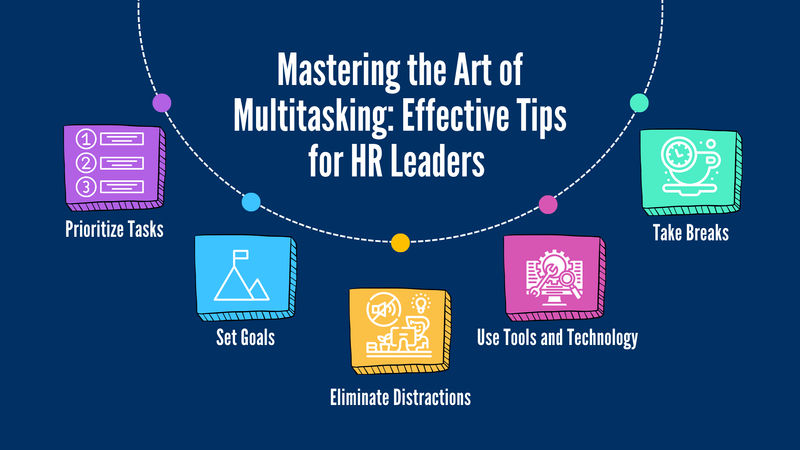
- Prioritize Your Tasks: Identify what needs your immediate attention and what can wait.
- Set Time Limits: Allocate specific time blocks for each task to maintain focus and avoid distractions.
- Use Technology Wisely: Leverage apps that help you organize tasks and set reminders.
- Eliminate Distractions: Create a work environment free from interruptions to enhance your concentration.
- Take Regular Breaks: Short breaks can help refresh your mind, making it easier to switch between tasks.
Multitasking effectively also involves understanding your workflow. Consider these additional strategies:
- Limit Task Switching: Minimize the number of tasks you juggle at once to reduce mental fatigue.
- Practice Mindfulness: Engage in mindfulness techniques to improve your focus when switching tasks.
- Review Your Progress: Regularly assess how well you are multitasking to identify areas for improvement.
- Stay Organized: Keeping your workspace and digital files orderly can streamline your multitasking experience.
- Embrace Flexibility: Be prepared to adjust your priorities as new tasks arise, ensuring that you remain on track.