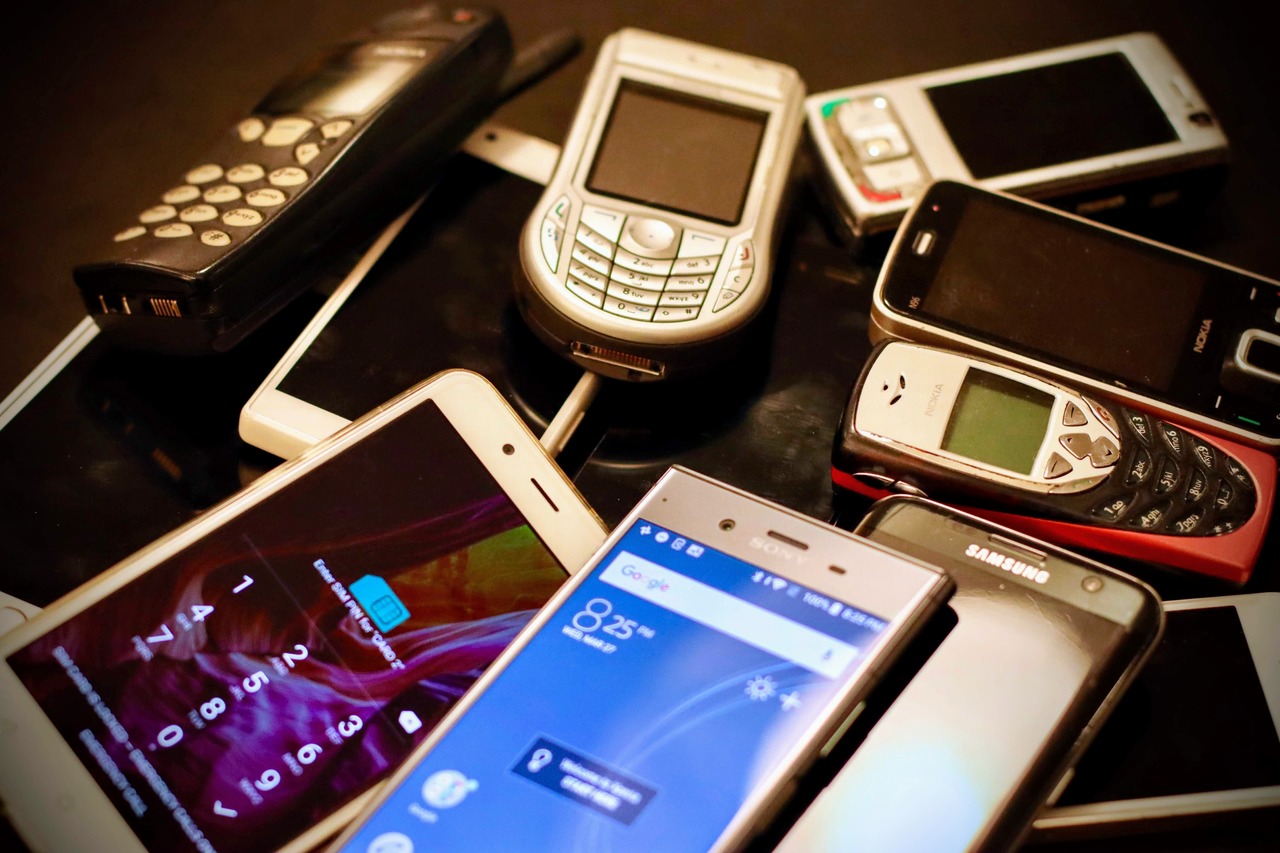
The Evolution of Mobile Devices: From Brick to Smart Wonders
The evolution of mobile devices has been nothing short of remarkable. From the hefty brick phones of the 1980s, which weighed over two pounds and offered limited functions, to today's sleek smartphones that fit comfortably in your pocket, the journey is a testament to technological innovation. These early devices were primarily used for voice calls, with minimal capabilities beyond that. However, as technology progressed, mobile phones began to integrate features such as text messaging, basic cameras, and eventually, internet connectivity. This significant shift laid the groundwork for a new era in communication and computing.
By the time the 21st century rolled around, mobile devices underwent a drastic transformation with the introduction of smartphones. Devices like the iPhone, launched in 2007, revolutionized how we interacted with technology by providing touch screens, app ecosystems, and powerful processing capabilities. Today, smartphones serve not only as communication tools but also as mini-computers, gaming devices, and even health monitors. As we look to the future, we can anticipate further advancements such as foldable screens, AI integration, and even more immersive experiences, continuing the legacy of innovation in the mobile industry.
Counter-Strike is a popular series of multiplayer first-person shooter games that has captivated players worldwide. Teams of terrorists and counter-terrorists compete in various objective-based game modes, offering intense tactical gameplay. For gamers looking to enhance their mobile experience, check out the Top 10 Android Charging Cables to keep their devices powered during long gaming sessions.
How Mobile Devices are Reshaping Communication and Connectivity
In today's fast-paced world, mobile devices have become integral to how we communicate and connect with others. With the advent of smartphones and tablets, communication has transcended traditional forms such as phone calls and emails. Now, instant messaging apps, social media platforms, and video conferencing tools allow us to stay connected with friends, family, and colleagues anytime, anywhere. This shift has led to a more dynamic form of connectivity, where geographical boundaries are virtually eliminated, making it easier than ever to maintain relationships and collaborate across distances.
The impact of mobile devices on communication is also evident in the evolution of information sharing. As users increasingly rely on their phones for both personal and professional purposes, they have embraced multimedia sharing as a norm. Text messages now include images, videos, and voice notes, facilitating a richer conversation experience. Furthermore, with the rise of live streaming and online communities, the way we consume and interact with content has evolved significantly, creating a more engaging environment that fosters a sense of belonging and connection among users worldwide.
What Makes Mobile Devices Essential for Modern Life?
In today's fast-paced world, mobile devices have become an essential component of our daily lives. These handheld gadgets go beyond mere communication tools; they are our gateways to a wealth of information, services, and social connectivity. With features such as high-speed internet browsing, access to social media, and mobile applications, individuals can stay informed and interact with others anytime, anywhere. The conveniences offered by mobile devices have made them indispensable, transforming how we work, learn, and connect with loved ones.
Moreover, the evolution of technology has led to the integration of several important functionalities into a single device. For instance, mobile devices today combine the capabilities of a camera, a digital wallet, and even a health monitor, making them versatile tools for everyday tasks. This integration allows users to manage their schedules, make purchases, track fitness goals, and more, all from the palm of their hands. As cloud computing and AI continue to enhance mobile technology, it's clear that mobile devices will play an even more significant role in shaping modern life and driving future innovations.