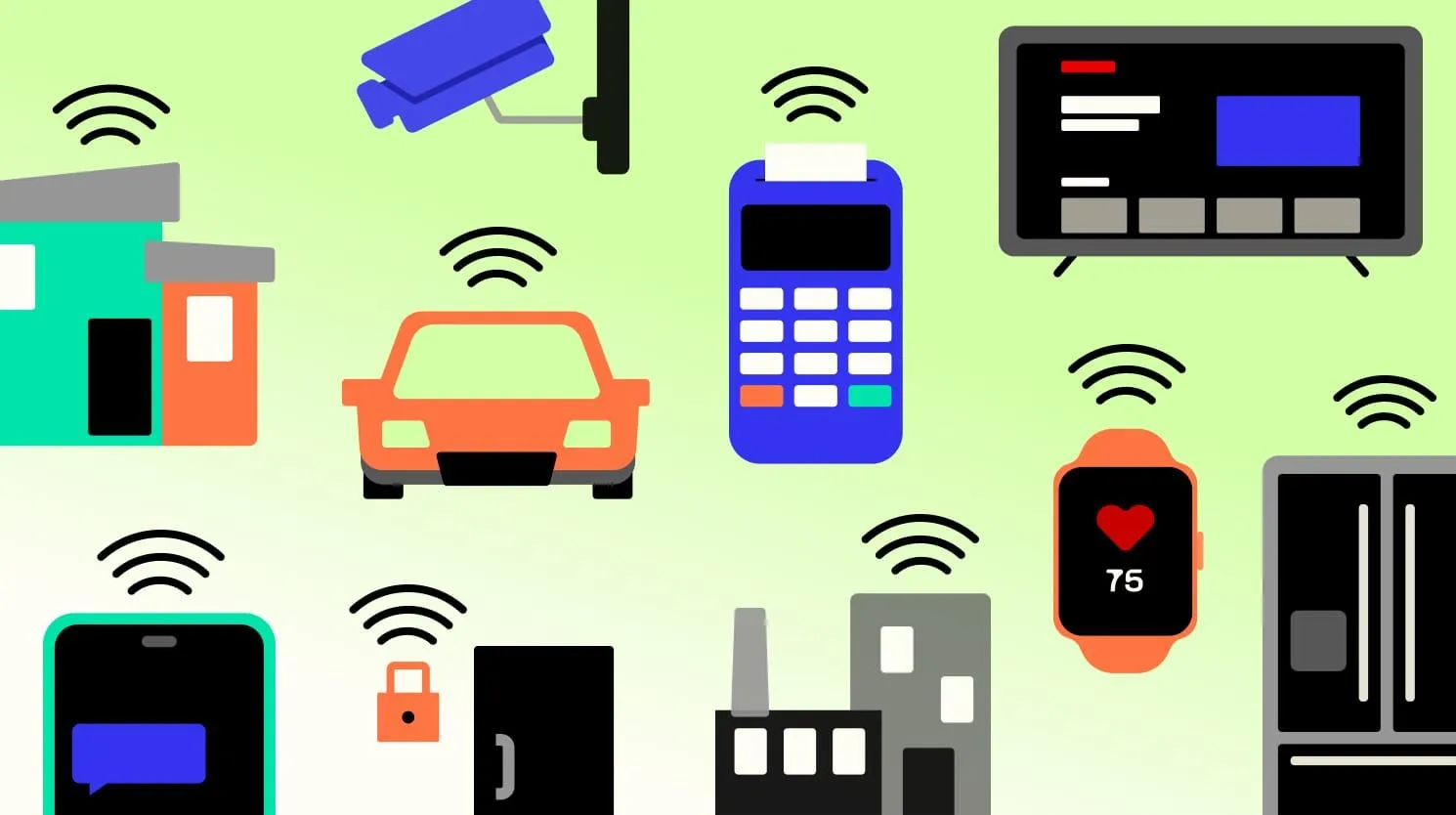
The Evolution of Voice Recognition: From Simple Commands to Conversational AI
The history of voice recognition technology traces back to the early 1950s, when researchers developed simple systems capable of understanding a limited set of spoken commands. These early machines, such as the first recognizer that could identify numbers, laid the groundwork for what would become an entire field dedicated to decoding human speech. Over the decades, advancements in phonetics, linguistics, and computer processing have significantly enhanced the capabilities of voice systems. The introduction of machine learning algorithms in the 1990s marked a pivotal shift, enabling devices to learn from vast amounts of data, ultimately leading to greater accuracy and the ability to recognize various accents and phonetic variations.
Today, the realm of conversational AI has further transformed the landscape of voice recognition. Modern virtual assistants, like Siri, Alexa, and Google Assistant, go beyond simple command execution to engage in two-way conversations that mimic human interactions. Such systems leverage advancements in natural language processing (NLP) and deep learning to understand context, nuances, and even emotional tone in speech. This evolution from basic command interpretation to sophisticated conversational abilities has not only changed the way we interact with technology but has also paved the way for new applications across industries, making voice recognition an integral part of our daily lives.
Counter-Strike is a popular first-person shooter game that pits teams of terrorists against counter-terrorists in a series of objective-based game modes. Players often utilize strategy and teamwork to secure objectives like bomb defusal and hostage rescue. For gamers looking to enhance their mobile experience, Top 10 iPad Accessories for Kids can provide useful tools to improve gameplay, making it more enjoyable for younger audiences.
How Smart Devices Learn Your Preferences: A Deep Dive into Personalization Technology
As smart devices become an integral part of our daily lives, understanding how they learn and adapt to our personal preferences has never been more crucial. These devices, powered by personalization technology, utilize complex algorithms and data analysis to create a more tailored user experience. For instance, voice-activated assistants like Amazon's Alexa or Google Assistant continuously gather information about user habits, vocal patterns, and even favorite music playlists. Over time, they refine their responses and suggestions, making interactions feel more intuitive and personalized.
At the core of this personalization technology lies machine learning, where algorithms analyze vast amounts of data to identify patterns and predict user preferences. This process involves several stages:
- Data Collection: Smart devices collect data from various sources, including user interactions, preferences, and environmental cues.
- Pattern Recognition: The algorithms identify patterns within the collected data to understand behaviors and preferences.
- Feedback Loop: As users continue to interact with the device, it learns from mistakes and successes, continuously refining its predictive capabilities.
Can Technology Truly Understand Emotion? Exploring Advances in Emotional AI
As we delve into the realm of emotional AI, the question arises: can technology truly understand human emotions? Recent advancements in machine learning and natural language processing have made it possible for machines to analyze text and voice patterns, giving them insights into emotional states. For instance, sentiment analysis can effectively categorize emotions from written content, while voice recognition systems are being trained to detect variations in tone that indicate feelings such as happiness, sadness, or anger. These technologies are increasingly being integrated into customer service applications and mental health tools, enhancing user interaction and support.
However, despite these strides, there remains a significant debate over whether artificial intelligence can genuinely 'understand' emotions or merely simulate responses based on data patterns. Critics argue that true emotional comprehension requires context, empathy, and the ability to experience feelings—qualities that technology lacks. As emotional AI continues to evolve, it raises ethical considerations about privacy, data security, and the potential for misuse. The exploration of emotional AI is not just a technical quest but also a philosophical inquiry into the nature of emotions and the human experience.