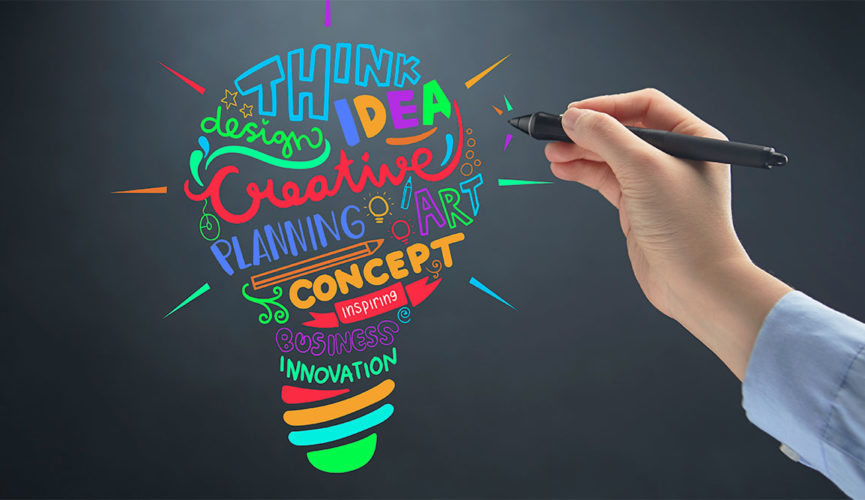
The Art of Visualization: Transforming Your Ideas Into Stunning Designs
The Art of Visualization is a powerful tool that enables individuals and designers to bring their creative ideas to life. By employing visualization techniques, you can effectively translate abstract concepts into tangible designs that resonate with your audience. Whether you are sketching on paper or using advanced design software, the key is to harness your imagination and articulate your vision clearly. Exploring methods such as mind mapping and storyboarding can help outline your thoughts and establish a strong foundation for your project.
Effective visualization also involves understanding the principles of design aesthetics and user experience. Consider elements such as color psychology, typography, and layout, which play crucial roles in making your designs visually appealing and functional. It’s important to iterate on your initial concepts—don’t hesitate to seek feedback and make adjustments. Remember, the goal is to create a design that not only captures attention but also communicates your ideas clearly and compellingly, transforming your initial thoughts into stunning, actionable designs.
Counter-Strike is a popular tactical first-person shooter game that emphasizes teamwork and strategy. Players can choose to play as terrorists or counter-terrorists, engaging in various missions such as bomb defusal and hostage rescue. As a dynamic and competitive game, many players seek ways to enhance their experience, such as investing in accessories for their gear. For instance, those looking to keep their belongings secure might be interested in the Top 10 airtag keychains to easily locate their items during intense gaming sessions.
From Concept to Creation: Essential Steps for Designing Your Dreams
Turning your dreams into reality requires a clear roadmap. The first step in this journey is to define your concept. Begin by brainstorming and jotting down all your ideas without any limitations. Use mind maps or lists to explore different aspects of your vision. Once you have a plethora of ideas, narrow them down to the most viable and inspiring concepts. This may involve asking yourself questions such as, 'What are the core elements of my dream?' and 'How can I make this feasible?' By attending to these foundational aspects, you lay the groundwork for successful design and implementation.
After defining your concept, the next essential step involves visualization. Create rough sketches or digital mockups to bring your ideas to life. This phase is vital as it allows you to see your concept from different angles and make necessary adjustments. Utilize tools like mood boards to gather inspiration and define the aesthetic elements of your project. Additionally, consider seeking feedback from trusted sources to refine your design further. Moving from visualization to creation requires setting a timeline and breaking down the project into manageable tasks. By following these steps, you are well on your way to transforming your dreams into a tangible reality.
What Are the Key Elements of Effective Design That Bring Ideas to Life?
Effective design is a harmonious blend of aesthetics and functionality that serves to bring ideas to life. Among the key elements are balance, contrast, and emphasis. Balance refers to the distribution of visual weight in a design, ensuring that no single element overwhelms the others. Contrast is essential for making elements stand out, whether through color, size, or shape, while emphasis helps direct the viewer's attention to the most important aspects of the design. These elements work together to create a cohesive look that communicates the intended message effectively.
Moreover, usability and typography play significant roles in effective design. A design must be user-friendly and intuitive, ensuring that the audience can easily interact with the content. Good typography not only enhances readability but also conveys the tone and personality of the design. Additionally, incorporating whitespace, or negative space, can significantly improve the clarity and overall appeal of the design. By prioritizing these key elements, designers can transform abstract ideas into compelling visuals that resonate with the audience.